“Youth is a disease cured by age”
“Bernard Shaw said that.” Pausing my Grandpa for me to reflect.
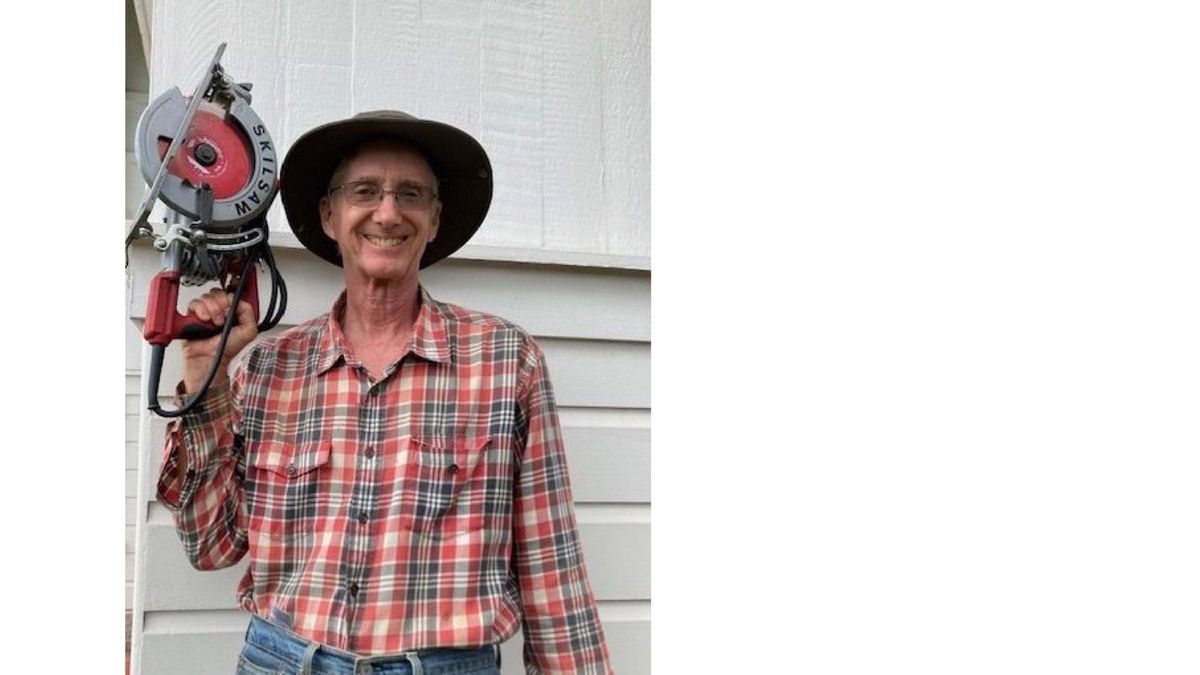
My Grandpa is 91. His name is Heinz. He’s lived through a lot. Born in a hospital on the entrance of Valpariso, an important, central, and global port. He moved to a rural upbringing in La Serena, a beach city edging the desert.
The son of a German railroad engineer and 2nd generation German - Chilean mother. After school he went to Germany to learn how to operate and build factories, knowledge he would take back one day to Chile. He met my Grandmother just as Hitler and the Nazis rose into power. He could pass as German, but Chilean at heart, neither a Jew, nor Pole - something else he was useful and forced to manage a chocolate factory; a ridiculous bittersweet irony to an early confusion of the war and his new marriage.
Sensing danger, he somehow convinced his directors in need of a trip to Italy for new materials and machinery. Under practical disguise of business, they crossed through Switzerland and escaped to a less complex nightmare: fascist Italy.
There he found work at a rennet factory, learning to dry stomachs, mixing acids and other mysteries to create the necessary fermentation for ancient and beautiful cheeses. He found hope in rennet, seeing its demand even in war as sign enough of its potential. He would bring these ancient recipes to Chile one day telling himself, calming himself. He was lucky for life there was paradise compared to what he could only imagine had become of the former chocolate company north.
At the end of the war he hugged Americans, serving as a translator with his limited English. He waved as the tanks rolled through, my grandma amazed. awing at sight the first black troops she had ever seen.
He traveled by land to Barcelona boarding a steamer and found return to the Americas.
Buenos Aires, the Andes snowcapped distant and majestic popped in his eyes promising a new future. He vowed never to return to old Europe, to a place of hell and confusion. At heart a Latin American he settled in the outskirts of Santiago, starting his factory of rennet (which today still runs), calm in rural life laughing as he forgot, rearing Children and moving on.
“Youth is a disease cured by age…”
“Bernard Shaw said that.” Pausing for me to reflect.


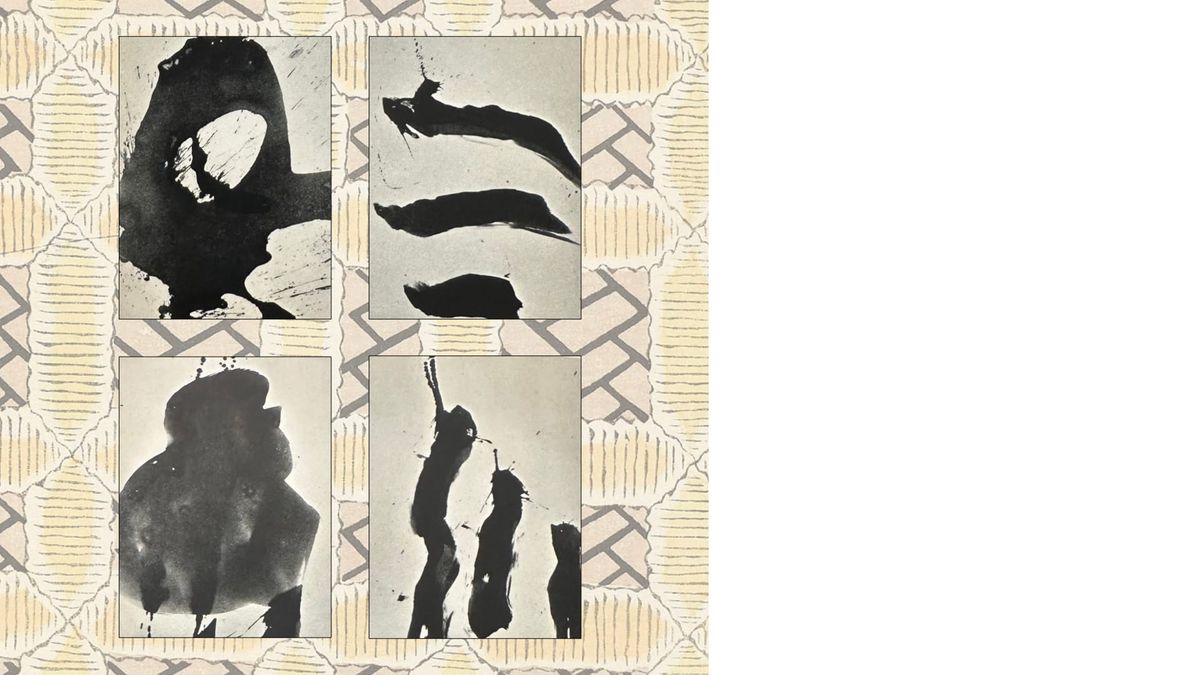
Nasreen Mohamedi’s Lines
Female Indian artist Nasreen Mohamedi’s (1937–1990) drawings are mystic, modernist, utopias? that contradict the daily life of India and Pakistan. An early and solitary pioneer of the modernist movement in India, her sketches are untitled, and unnumbered.
I can’t help but think how “unIndian” her art is; leading me to question if her work was imposing some order on the chaos of Delhi where she lived, or reflecting it. Did she see some clarity in her daily experience? Does her surroundings even matter in the context of her work? Questions for art-historians.
Some answers and a review of her recent showing in UK The MILTON KEYNES GALLERY UK in Frieze Magazine
Cleaning out an old draw, I found a misplaced ring, the first I ever made over 10 years ago as a senior in High School in Ki Nimori’s Metal Working and Jewelry class.
A stereotypical Karate-Kid Miyagi-san type of teacher - I remember he snapped fingers, scolded with questions and practiced karate before throwing pottery. He was a master ceramist and teacher. He taught for 40 years at the American School In Japan, and I was lucky to have taken one of his classes.
While I wouldn’t say he was the most important teacher in my high school experience, looking back I can’t but help think that the ring is a good reflection of who I am (and I think he would be pleased with this even if its aesthetic and craft are amateur). A mix of alloys, dimpled, scoffed, yet durable and quietly gleaming. The ring is a bronze, silver, iron mix of residue alloys made from old student wastes, flattened into a flat sheet, welded together and dimpled with tools. It still slides on perfectly and shines in silver and bronze streaks.
Read an interview with Ki Nomori
Another ASIJ Alum Gordon Scott shares more Ki Nomori’s influence on his professional work
| Stranger: | hey |
| You: | hey |
| You: | whats up |
| You: | happy new year |
| Stranger: | yes |
| Stranger: | happy new year too you too |
| You: | thanks |
| You: | i'm thinking about buying some art |
| You: | from a weird japanese manga guy |
| You: | looking for outside opinion |
| Stranger: | not experianced with manga |
| Stranger: | sorry |
| You: | its some pretty werid stuff |
| You: | here is the link |
| Stranger: | cant tell good from bad |
| You: | http://www1.odn.ne.jp/~adc52520/tuuhan/gengahanbai1.html |
| You: | i feel like this guy has some serious talent |
| You: | its very dark |
| You: | but quality of illustration is good |
| You: | warning: its pretty horrifific |
| You: | what do you think? |
| Stranger: | wow |
| Stranger: | i see what you mean |
| You: | very dark, but something about them are great |
| You: | i grew up in japan |
| You: | so i think there is something there |
| Stranger: | oh |
| Stranger: | i from america |
| Stranger: | *im |
| You: | i'm thinking about getting the title called "game" |
| You: | where the 2 kids are playing othello |
| Stranger: | is that like checkers? |
| You: | yeah |
| Stranger: | i appologize |
| You: | but if you see on the tv > they are actually controlling cars etc |
| Stranger: | not familiar with the culture |
| You: | sort of mindblowing in that sense |
| Stranger: | it is |